As companies host their critical operations on servers located in the United States, SLAs and indemnification mechanisms have become key tools for mitigating rental risks. This article focuses on how to enhance availability guarantees, accelerate fault response times, and reduce business losses by establishing clear service level agreements and reasonable compensation mechanisms. It is intended as a reference for IT, procurement, and legal departments in the process of contract formulation and execution.
An effective SLA should clearly define availability metrics, response and recovery times (MTTR/MTTA), maintenance windows, and exceptions. Quantitative indicators facilitate accountability, defining exceptions can prevent misunderstandings, and both parties should be required to fulfill their monitoring and reporting obligations.
Common forms of compensation include deductions from service fees, credit refunds, or cash payments. The contract must clearly specify the triggering conditions, the calculation period, and the rules for overlapping compensations, in order to avoid subsequent disputes or difficulties in making claims due to vague terms.
Availability is generally measured as a percentage (for example, monthly availability). Delays and packet losses can be explained using specific threshold values. It is necessary to establish agreed-upon methods for measurement, sources of data, and procedures for reviewing results in case of any anomalies, in order to ensure that the calculations are transparent and credible.
Real-time monitoring and regular reporting are essential prerequisites for ensuring the proper execution of compensation payments. The contract should specify the monitoring tools available to both parties, the data sharing interfaces, and the procedures for resolving disputes, including the methods for exchanging evidence and conducting arbitration between the service provider and the customer.
The compensation terms should clearly specify the calculation formula, the minimum claim threshold, the compensation period, and the method of payment. There should be a cumulative compensation mechanism for long-term or recurring failures, and the rights to information disclosure and audit should be specified to enhance transparency.

At the technical level, risk mitigation measures should be implemented in conjunction with SLA settings, such as deploying across availability zones, performing regular backups, and enabling automatic failover. Supplier SLAs can only partially transfer risk; technical redundancy is key to minimizing the impact of service interruptions.
During negotiations, prioritize obtaining quantifiable indicators and clear compensation formulas, and avoid using vague exemption clauses. Different levels of compensation are set based on the classification of business impacts, while retaining the rights to conduct audits and third-party monitoring to ensure the feasibility of claims.
The use of SLAs and compensation mechanisms can significantly reduce these costs US server hosting Business risks associated with the leasing process, provided that the terms are clear, monitoring is reliable, and technical redundancy is in place. It is recommended that the team collaborate with legal, operations, and security departments to assess the SLA terms before signing the contract, and develop a comprehensive risk management plan that takes into account multi-availability zone configurations and backup strategies.
- Latest articles
- Popular tags
-

affordable us high-defense server recommendations and selection tips
this article will recommend you affordable high-defense servers in the united states and share selection tips to help you find a suitable high-defense server. -
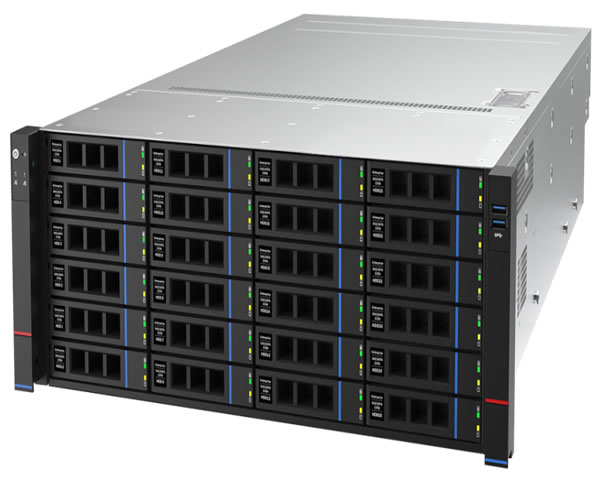
practical tips for cost-saving when cross-border e-commerce deploys cera us high-defense servers
a practical guide for cross-border e-commerce: when deploying cera high-defense servers in the united states, how to effectively save costs and ensure availability and compliance through architecture, traffic management, cdn and contract negotiation. -
rankings and reviews of us server hosting providers help you quickly identify the right provider
professionally analyzes the ranking and evaluation of us server hosting providers, starting from the dimensions of performance, security, operation and maintenance, scalability, etc., and provides practical procedures and key points to quickly identify suitable vendors to help enterprises make safe choices.